
FACTS
Internal Vertigo: the sensation of own movement (illusion of movement) of the body (vertigo): sensations such as rotating, swaying, and tilting.
External Vertigo: visual sensations of moving surroundings (illusory sensations, oscillopsia).
Dizziness: disturbed perception of the spatial orientation without illusory movement.
Standing and gait instability: problems with standing, walking and sitting.
Why are there so many definitions?
Because vertigo does not come from just one area of the brain it come from an entire system that is dispersed throughout the brain. THE VESTIBULAR SYSTEM!!!!!!
What Does The Vestibular System Do?
The vestibular system integrates information from your eyes, inner ears and body. This information tells your brain about head and eye position, spatial orientation and motion. The vestibular system then sends motor commands to your body to stabilize your head, eyes, maintain posture and balance as well as influence the functions of your autonomic nervous system like blood flow, heart rate and digestion. It also sends activates higher brain centers that are involved with decision making, emotional control and even effects hormone production.
Common Symptoms of Vertigo
- Difficulty concentrating
- Ringing in the ears
- Spinning
- Feeling unsteady
- Tilting
- Headaches
- Difficulty focusing
- Nausea
- Dizziness
- Risk of fall
Common Causes of Vertigo
- Aging
- Lack of blood flow to inner ear
- Displacement of “crystals in inner ear
- Viral infection
- Migraines
- Benign tumors
- Muscle strain or arthritis
- Aneurysm, stroke, atherosclerosis
- Medications
- Damage of nerves that supply sensation to the feet
- Faintness when sitting or standing
- Cataracts and macular degeneration
- Anxiety
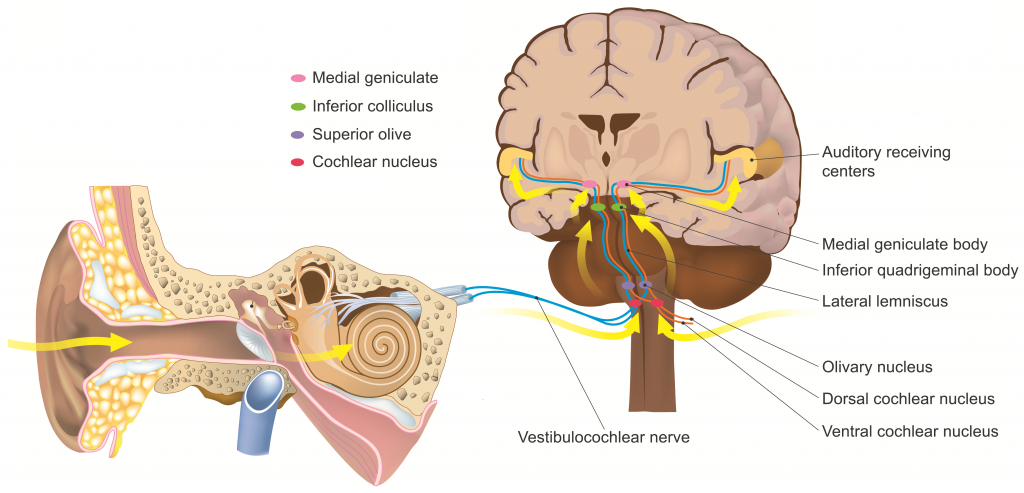
One of the most common regions is an area called your parietal insular vestibular cortex. This area of the brain is a major association area. It is responsible for taking information from all the other areas in the brain and integrating it into a coherent picture. Problems in this area are often difficult for people to explain.
There is almost an infinite number of different symptoms that can occur. People will often “just not feel right”, sometimes they feel disconnected to their own body or limb. They may feel like they are slowly swaying or rocking. Often, they have odd body sensations like the feeling of bugs crawling under their skin. If you are experiencing these types of odd symptoms, please call to schedule a free consult.
Common Treatments for Vertigo
- “wait it out” approach to see if the brain can adapt
- vestibular rehabilitation
- physical therapy
- medications for symptoms associated with vertigo such as nausea, motion sickness or even anxiety
So Why Do The Symptoms Remain or More Commonly Keep Coming Back?
Because every type of vertigo is unique and requires an individualized diagnosis and treatment plan.
Individualized Treatment Plan for Vertigo
The vestibular system is a sensory system that is responsible for providing our brain with information about motion, head position, and spatial orientation; it is also involved with motor functions that allow us to keep our balance, stabilize our head and body during movement, and maintain posture.
At Georgia Chiropractic Neurology Center, we specialize in understanding vestibular imbalances, concussions and other central nervous system deficits. Our team is trained to look at the nervous system with a unique approach, making our doctors successful at treating cases that are often not resolved in the traditional medical practice.